Bolivia
Christmas in Bolivia
In Bolivia Christmas (Navidad) continues to be deeply religious, maintaining the original meaning and purpose of the holiday. Most families set up a “pesebre” (nativity scene) in their homes and churches usually have very large ones somewhere outside the main door. The word pesebre literally means "stable". Sometimes people call them "nacimientos" (nativity scenes).
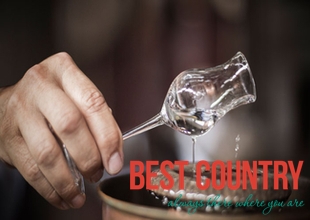
Singani Bolivia: the country's national drink
Singani is a distilled spirit made from the white Muscat of Alexandria grape which has been produced in Bolivia for nearly 500 years. Unlike pisco, its Peruvian cousin, singani has not been available outside of its traditional homeland until very recently. For this reason, tasting singani is a rare treat essential to any trip to Bolivia.
Overview of Bolivia
Bolivia, officially known as the Plurinational State of Bolivia, is a landlocked country in central South America. It is bordered by Brazil to the north and east, Paraguay and Argentina to the south, and Chile and Peru to the west.
Capital:
- Sucre (constitutional capital)
- La Paz (seat of government)
Largest city: Santa Cruz de la Sierra